
Delhi is not just a city — it’s a living museum of Indian history.
From ancient kingdoms to mighty empires, Delhi has been destroyed and rebuilt seven times, each time rising stronger, more magnificent, and more alive than before.
If you walk through the streets of Delhi today, you’re not just exploring India’s capital — you’re walking through 2,500 years of living history.
Also Read: The Timeless Story of Delhi
1. Indraprastha – The Legendary Beginning
The story of Delhi begins with Indraprastha, the mythical capital of the Pandavas from the Mahabharata. Archaeological evidence places it near present-day Purana Qila, where history and legend blend seamlessly.
2. Lal Kot – The First Fort City
In the 11th century, King Anangpal Tomar established Lal Kot, the first fortified city of Delhi. Its remains near Mehrauli still whisper tales of the Tomar dynasty’s glory.
Best Travel Bags for family trips
3. Siri – Alauddin Khilji’s Stronghold
Next came Siri, built by Alauddin Khilji in the 13th century. It was Delhi’s second major city and a symbol of the Delhi Sultanate’s power, known for its robust fortifications and architectural innovation.
4. Tughlaqabad – The Stone Fortress
The ambitious Ghiyasuddin Tughlaq constructed Tughlaqabad, the fourth city of Delhi. Its massive stone walls still dominate the southern skyline — a powerful reminder of the empire’s might and decline.
5. Firozabad – The City of Canals and Gardens
Firoz Shah Tughlaq brought life and beauty to Delhi with Firozabad — known for its water canals, gardens, and palaces. He built landmarks like the Firoz Shah Kotla, which still stands tall today.
6. Dinpanah – The Vision of Humayun
In the 16th century, Humayun and later Sher Shah Suri rebuilt Delhi as Dinpanah, located around today’s Purana Qila. It marked a transition toward the Mughal architectural style we recognize today.
7. Shahjahanabad – The Mughal Masterpiece
Emperor Shah Jahan gave Delhi its most iconic face — Shahjahanabad, the seventh city. The Red Fort, Jama Masjid, and Chandni Chowk were all part of his grand vision of a royal capital.
8. New Delhi – Where History Meets Modern India
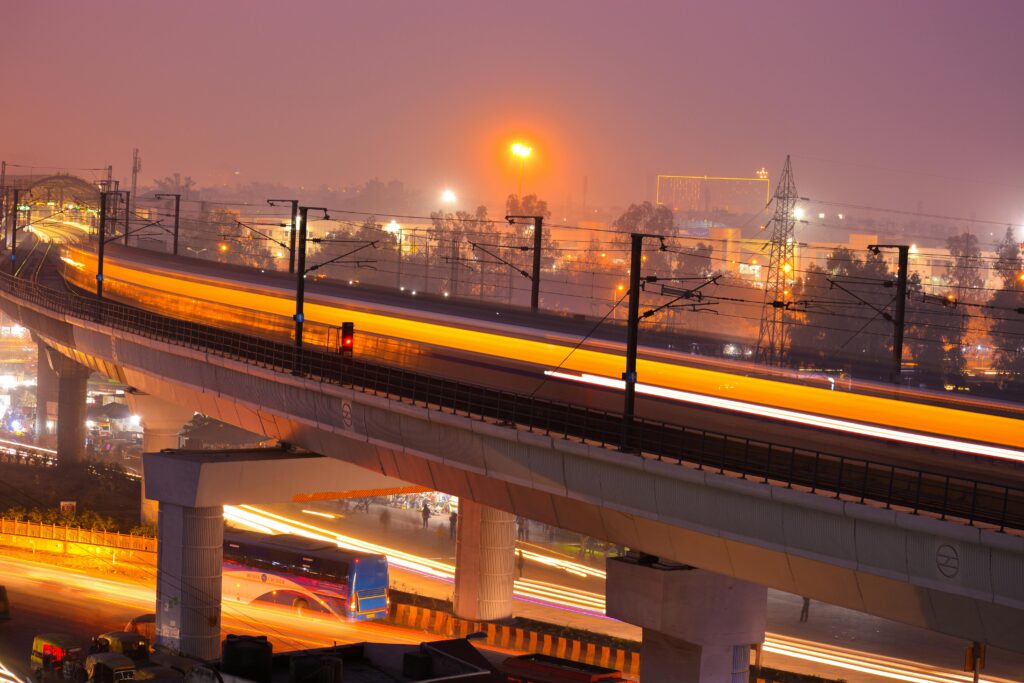
And finally, New Delhi — the modern capital built by the British in the early 20th century — became the eighth reincarnation of Delhi. Here, colonial architecture meets Mughal grandeur and futuristic skylines, symbolizing India’s timeless evolution.