
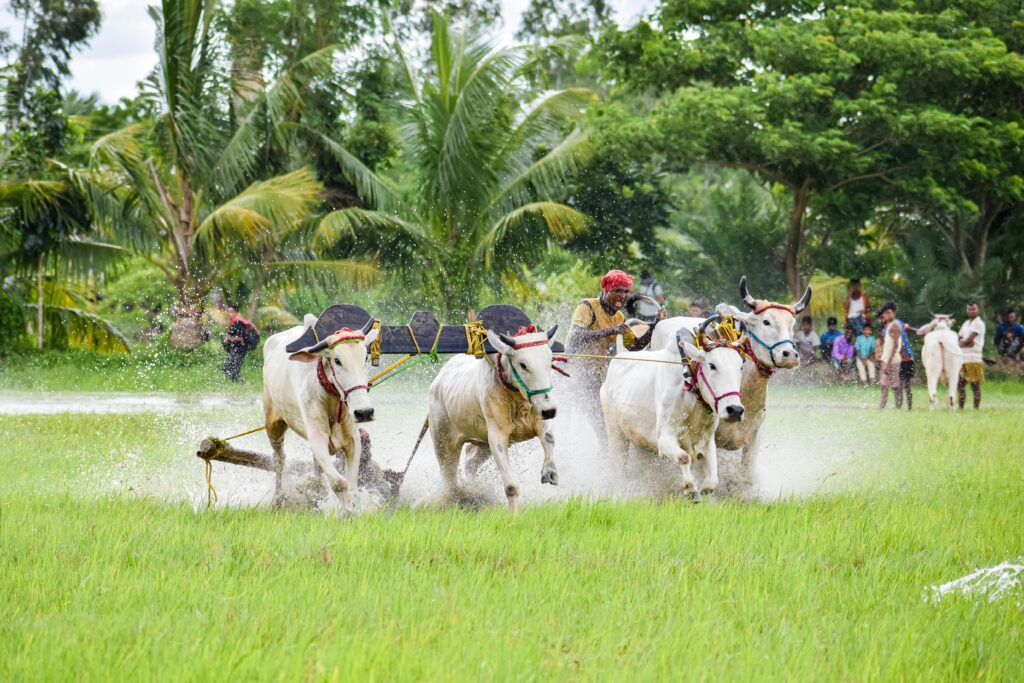
When we think of India, we often picture bustling cities, grand monuments and fast-moving highways. But the true soul of India often lies in its villages – places where time seems to move slower, where ancient crafts and traditions still live, and where you can feel a deeper connection with the land and its people. In this article we explore the concept of living heritage villages in India – rural communities that not only preserve their historic culture but still practice it today and why they are becoming important both for travel and for cultural preservation.
1. What is a living heritage village?

A living heritage village is more than a museum-piece. It is a community where cultural practices, craft traditions, architecture, and village life are still active and vibrant.
- In India, rural tourism is defined by the Ministry of Tourism (India) as any form of tourism that showcases rural life, art, culture and heritage at rural locations, thereby benefiting the local community economically and socially.
- These villages offer something to see, something to do, and something to buy. These are an experience of authentic rural life rather than the polished tourist version.
- According to a recent report, the government of India has earmarked over 200 villages as rural-tourism hubs, underscoring their strategic importance.
Also Read: Why Daulat Ki Chaat Exists Only in Delhi’s Winters
2. Why are they ‘heritage villages’ getting attention today?

Growing interest in sustainable, authentic travel: Tourists are increasingly looking for experiences rather than just sights. Rural villages with heritage attract this trend.
- Huge potential for rural tourism in India: Over 70% of India’s population lives in villages, making rural tourism a powerful tool for development.
- Economic & social benefits: Rural tourism helps preserve crafts, create jobs, prevent out-migration and empower local communities.
Also Read: Kangra – Himachal’s Hidden Land of Temples, Faith, and Stories
3. Top living heritage villages you should know
Here are three standout examples (you can of course explore more):
a. Raghurajpur (Odisha)
- Located near Puri, this village is famous for Pattachitra painters, wood-carvers, cow-dung toy makers and other traditional crafts.
- The entire village has over 120 houses where artisans live and work. It is a model of how heritage and village life blend.
b. Dhordo (Gujarat)
- Situated in Kutch district, Dhordo was recently recognised by the United Nations World Tourism Organization (UNWTO) as a “Best Tourism Village” for its sustainable tourism and preservation of culture.
- Its remote location, arts-based economy and link to the Rann of Kutch festival make it unique.
c. Mawlynnong (Meghalaya)
- Often called “Asia’s cleanest village”, Mawlynnong offers a mix of tribal Khasi culture, nature and village life (though I haven’t pulled a direct citation here, you may include it in your content as additional research).
- These villages show that heritage isn’t just about old buildings — it’s about living practices, crafts, community and place.

4. What makes these villages rich experiences for travellers?
Authenticity: Staying in a village, interacting with artisans, participating in daily life – gives deeper insight than standard tourism.
- Hands-on cultural learning: Workshops, craft demonstrations, local festivals.
- Rural setting + peace: Often away from city chaos, offering slower pace, nature, community hospitality.
- Supporting local economy: Every stay, every purchase helps preserve craft, heritage and enables the village to thrive.
Also Read: How Goa Evolved from Party Capital to India’s Digital Nomad Paradise
5. Why these matters for India
Preservation of intangible heritage: Many art forms, crafts and traditions are at risk of fading if not sustained by local income & interest.
- Sustainable development: Rural tourism provides alternative livelihoods and helps decentralise tourism benefits.
- Content & storytelling opportunity: For creators like me and you, villages like these are rich with stories, visuals, data and emotion. They are perfect for a blog + video.
- Growing trend + niche: While city and monument travel has many articles/videos, deep-dive into lesser-known heritage villages offers lower competition, and interest is rising.
Best Travel Bags for family trips
6. Tips for creating your trip or content around such villages
Research local culture & craft ahead: Know what’s special, book interaction with artisans.
- Stay locally (homestay/guesthouse) to capture real life.
- Use visuals: village architecture, craft-making in action, community celebrations.
- Balance narrative: Introduce place, highlight uniqueness, share data/impact (jobs, craft revival), suggest travel tips.
- Provide actionable advice: how to get there, best time to visit, respect local culture, what to buy (local crafts).
India Uncovered’s View
In a world rushing forward, India’s living heritage villages pause and invite us in. They offer more than just visuals – they offer connection, narrative, culture and meaning. For travellers they are soulful destinations. For content creators they are treasure troves of story. And for society they are living legacies. Whether you aim to explore one or tell its story – you’ll uncover a deeper India.
More Updates You May Like
Delhi ka Mini-Tibet: Majnu Ka Tila

Why Presence Matters More Than Statements in Global Politics
Why Ancient Indian Temples Were Built at These Locations
Himalayan Passes That Once Linked India to the World
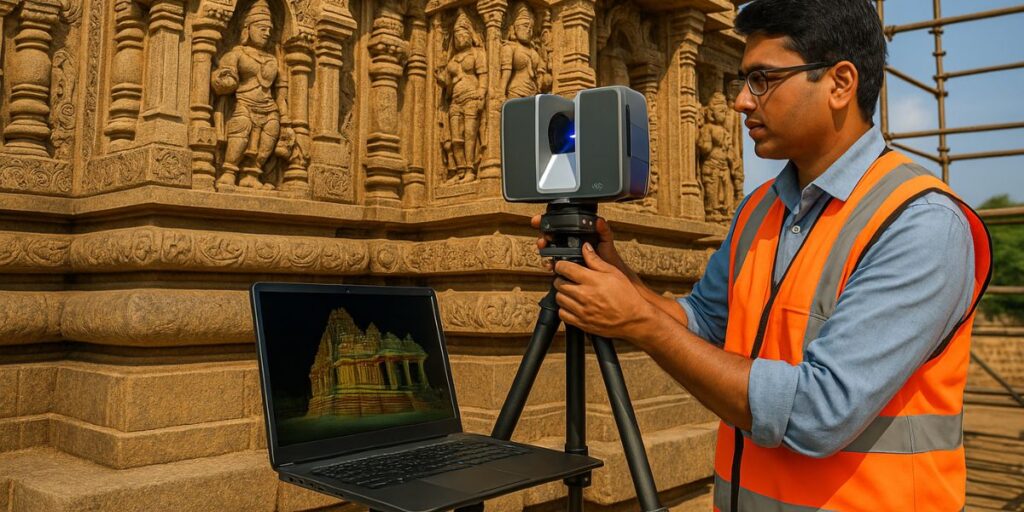
How India Is Restoring Ancient Temples Using Modern Technology


Pingback: Night Tourism in India: How Cities Are Opening Up After Dark in 2025 - indiauncovered.in
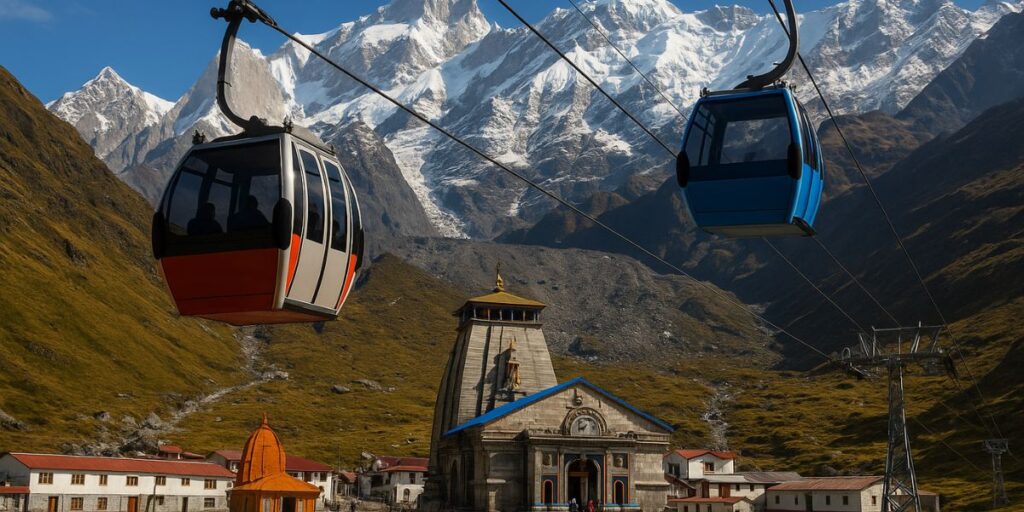
Pingback: Why Panch Kedar Is Emerging as India’s Next Spiritual Tourism Goldmine - indiauncovered.in