
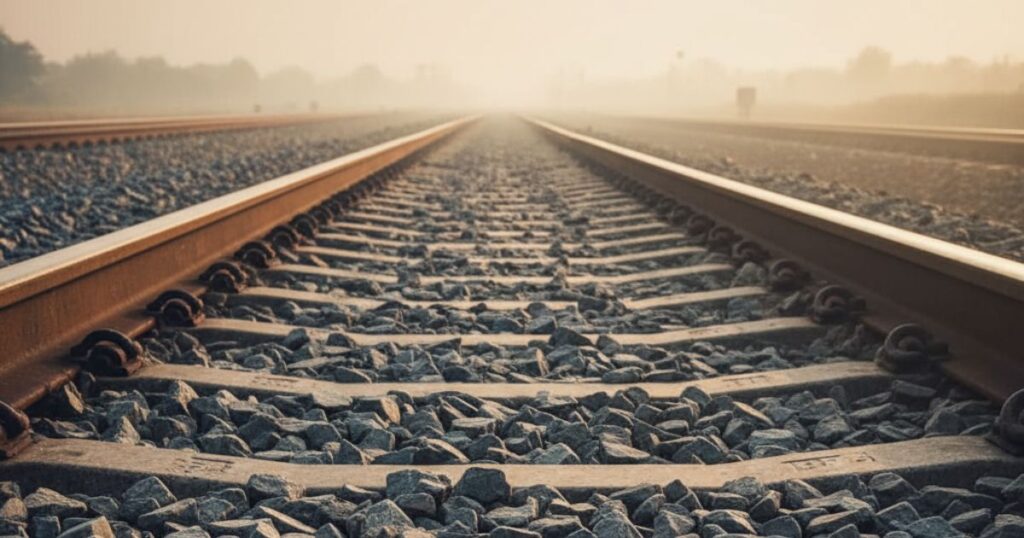
If you’ve ever stood near a railway track, you’ve probably noticed the heaps of small grey stones scattered beneath and around the rails. They might look ordinary – maybe even decorative – but in reality, they play one of the most crucial roles in keeping trains running safely.
These stones are called track ballast and they’re the unsung heroes of railway engineering. Let’s uncover why these humble stones are essential to every train journey you take.
1. They Keep the Tracks Strong and Stable
The stones you see under the railway tracks aren’t placed randomly. Together, they form a tough yet flexible foundation called ballast.
When a heavy train passes, its enormous weight presses down on the tracks. The ballast distributes this weight evenly so the metal rails don’t bend, twist, or sink into the ground.
Without these stones, the soil beneath the tracks would compress and shift, eventually causing misalignment — and that could lead to dangerous derailments. In short, ballast keeps every journey safe and steady.
Also Read: Vande Bharat: Connecting India’s Soul and Growth
2. They Drain Rainwater Naturally
Monsoons or heavy rains can be a railway’s biggest enemy — but those little stones are the perfect defense system.
Because ballast isn’t packed tightly, the small gaps between the stones let rainwater flow through quickly, preventing waterlogging and corrosion.
This natural drainage system keeps the tracks dry, rust-free, and safe — a clever, low-cost solution that works perfectly in diverse climates like India’s.
Best Travel Bags for Vande Bharat Trips

3. They Absorb Vibrations and Noise
Have you ever noticed how trains create that rhythmic “chhuk-chhuk” sound instead of a deafening roar?
That’s partly because of the ballast beneath them. These stones act as natural shock absorbers, reducing vibrations when a train rushes by.
This helps protect not only the rails and sleepers but also the nearby infrastructure — and it keeps noise levels lower for people living close to the tracks.
4. They Prevent Weed Growth
Another smart benefit of using stones instead of concrete? No weeds!
Because the ballast is loosely packed and doesn’t retain much moisture, it’s difficult for plants to grow between the rails.
This keeps the track clean, prevents roots from damaging the structure, and saves railways from frequent, costly maintenance.
Also Read: Why Delhi Is Called the City That Never Dies
5. They Make Track Maintenance Easier
Engineers love ballast for one more reason — it makes maintenance simple.
When tracks need to be inspected, repaired, or replaced, these stones can be easily removed, cleaned, and reused. The flexible design allows quick access without dismantling the entire structure.
It’s an intelligent balance of stability and convenience — something only decades of railway experience could have perfected.
What Is Track Ballast Made Of?

Ballast is made from hard, angular stones like granite, basalt, or quartzite. Their sharp edges help them lock together, creating a firm yet flexible base.
Softer stones like limestone or sandstone are avoided because they crumble easily under the immense pressure of passing trains.
In India, crushed granite is the most widely used material — known for its durability and superior drainage properties.
Best Travel Bags for Vande Bharat Trips
How Often Does Indian Railways Replace Ballast?
Even though ballast is durable, it doesn’t last forever. Over time, dirt and dust clog the gaps between stones, reducing drainage and shock absorption.
That’s why Indian Railways renews or cleans ballast every 8–10 years, depending on how busy the route is.
Special track-tamping machines lift the rails, clean or replace the stones, and realign the tracks — ensuring safety and efficiency for millions of passengers.
Why Are Track Stones Always Grey?
If you’ve ever wondered why railway stones are almost always grey — it’s not a coincidence.
Granite and basalt, the preferred materials, are naturally grey. This color hides dust, rust, and oil stains better than lighter shades.
Plus, grey stones absorb less heat than black ones, preventing the metal rails from expanding too much in the sun. Smart and functional!
Next Time You Take a Train…
When you board your next train, take a moment to glance down at those little grey stones beneath the rails.
They might look insignificant, but they silently support every journey — bearing the weight, weather, and vibration of one of the world’s busiest railway systems.
So yes, the next time you hear the rhythmic clatter of a train — remember, it’s not just steel and speed. It’s science, strength, and the unsung heroes beneath your feet.




Pingback: Jaipur or Udaipur? The Ultimate Royal Dilemma - indiauncovered.in
Pingback: The Timeless Story of Delhi - indiauncovered.in
Pingback: Why India’s Train Stations Use Yellow, Blue, and Red Signboards - indiauncovered.in