
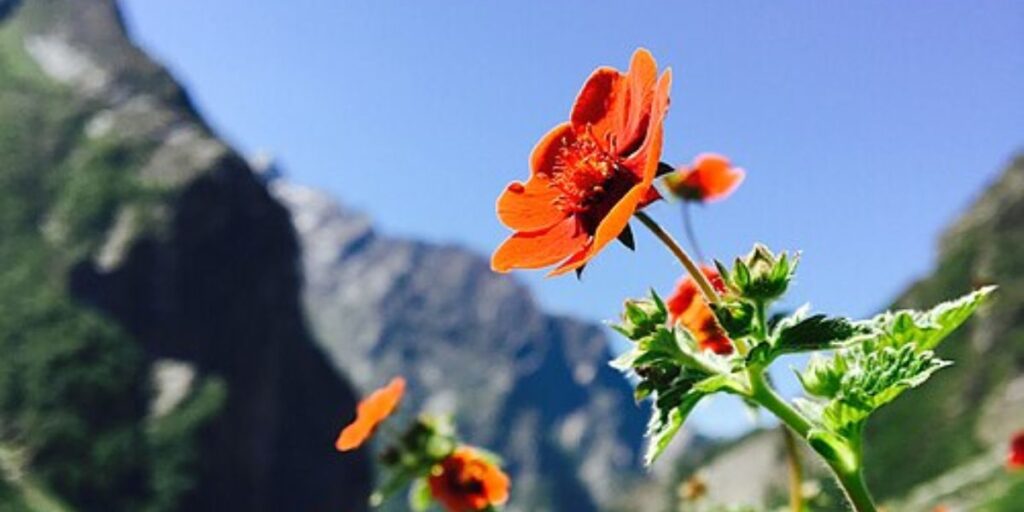
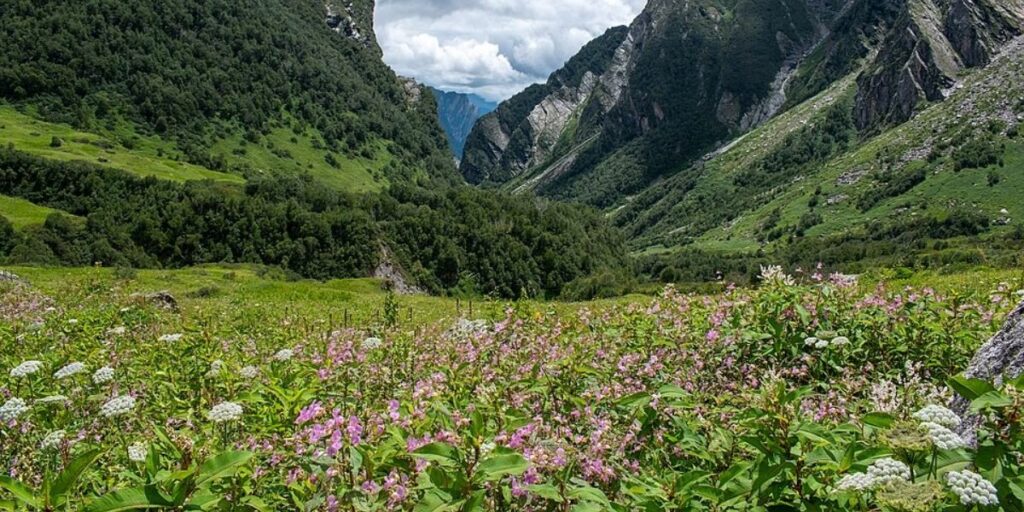
High up in the Garhwal Himalayas, where clouds brush the peaks and rivers echo ancient legends, lies a place that feels almost mythical – The Valley of Flowers. Most travelers know it as a stunning alpine meadow filled with 500+ varieties of rare Himalayan flowers. But what very few know is…
Valley of Flowers is also called The Valley of Gods.
It is believed to be the abode of Goddess Nanda Devi, daughter of the Himalayas.
It is considered a place where earthly beauty meets spiritual divinity and feminine cosmic energy (Shakti).
Also Read: India’s Lost Rivers: The Hidden Channels Flowing Under Our Cities
Long before it became a UNESCO World Heritage site (2005), saints, sages, and Himalayan tribes believed that this valley was not just nature’s wonder — it was a spiritual sanctuary.
2.1 The Mythological Origin: Valley of the Divine Feminine
According to Himalayan folklore and ancient scriptures:
- Nanda Devi, believed to be a form of Goddess Parvati, is worshipped as the protector goddess of Uttarakhand.
- Locals believe the Valley of Flowers was created by nature as her meditation garden and spiritual retreat.
- During the annual Nanda Devi Raj Jat Yatra (held every 12 years), devotees pass through this sacred region, believing it leads to her divine abode.
According to legends, this is the place where gods come to rest during monsoon – explaining why flowers bloom magically only between July and September, as if nature prepares the valley for divine presence.
Also Read: India’s Lost Engineering Wonders: Ancient Mega-Structures That Shock Modern Science
2.2 Not Just a Trek: A Spiritual Sanctuary
Most people describe it as a trekking destination, but for centuries, locals considered it a place of awakening and meditation.
Why it was sacred to yogis:
- High altitude (around 3,300 – 3,600 meters) believed to enhance meditation clarity
- Natural energy fields due to pure glaciers and untouched land
- Surrounded by mystical peaks: Nanda Devi, Nilkantha, and Chaukhamba, often mentioned in Puranas
Some yoga schools now call it “India’s Himalayan Shakti Valley”, similar to Machu Picchu’s Sacred Valley in Peru.
2.3 The Bloom That Tells a Story
The valley is home to rare flowers linked to Ayurveda, spirituality, and mythology, including:
| Flower Name | Mythological/Spiritual Relevance |
| Brahma Kamal | Believed to be sacred to Lord Shiva, used in Himalayan rituals |
| Nag Champa | Associated with temple incense & meditation |
| Blue Poppy | Symbol of divine transitions, found only in sacred zones |
| Cobra Lily | Locals believe it protects the valley from evil |
Many villagers believe these flowers bloom only where spiritual energy remains undisturbed.
2.4 Trekking Through History: Routes Used by Ancient Pilgrims
The same trekking route used today was once a pilgrim path, often used by sadhus and devotees traveling toward Hemkund Sahib, Badrinath, and Niti Valley.
| Spiritual Site Near Valley of Flowers | Significance |
| Hemkund Sahib | Meditation site of Guru Gobind Singh |
| Badrinath Temple | One of the Char Dhams and Vishnu’s holy seat |
| Nanda Devi Temple (Joshimath) | Cultural center of Shakti worship |
| Tapovan | Ancient meditation ground mentioned in Mahabharata |
These aren’t just trekking points – they are spiritual energy nodes.
2.5 A Future Spiritual Tourism Destination
According to Uttarakhand Tourism Department & UNESCO sites report:
“The Valley of Flowers can become a global hub for spiritual eco-tourism, mindful walking, meditation treks, and Himalayan healing traditions.”
Future Vision (2025–2030):
- Digital trekking passes
- Guided spiritual-wildlife tours
- Meditation & wellness stays
- Homestays with Himalayan tribes
- Mythology-based eco-walks
- Heritage storytelling routes
3. FAQ – Frequently Asked Questions
Q1. Why is the Valley of Flowers considered sacred?
It is believed to be the meditation garden and spiritual abode of Goddess Nanda Devi, associated with divine feminine energy (Shakti).
Q2. Is Valley of Flowers only for trekking?
No. Apart from trekking, it is known for its spiritual history, Himalayan legends, flora research, and mythological significance.
Q3. What is the best time to visit Valley of Flowers?
Mid-July to late August is best to witness full bloom, spiritual treks, and nearby pilgrimage experiences.
Q4. Is the Valley of Flowers connected to Badrinath Temple?
Yes. Ancient routes linked Valley of Flowers to Badrinath, Hemkund Sahib, and Nanda Devi shrines, forming a spiritual trekking circuit.
Q5. Can meditation and wellness retreats be conducted here in future?
Yes. Tourism bodies are planning eco-spiritual meditation routes, mindful walking trails, and Himalayan wellness circuits.
More Updates You May Like
Delhi ka Mini-Tibet: Majnu Ka Tila

Why Presence Matters More Than Statements in Global Politics
Why Ancient Indian Temples Were Built at These Locations
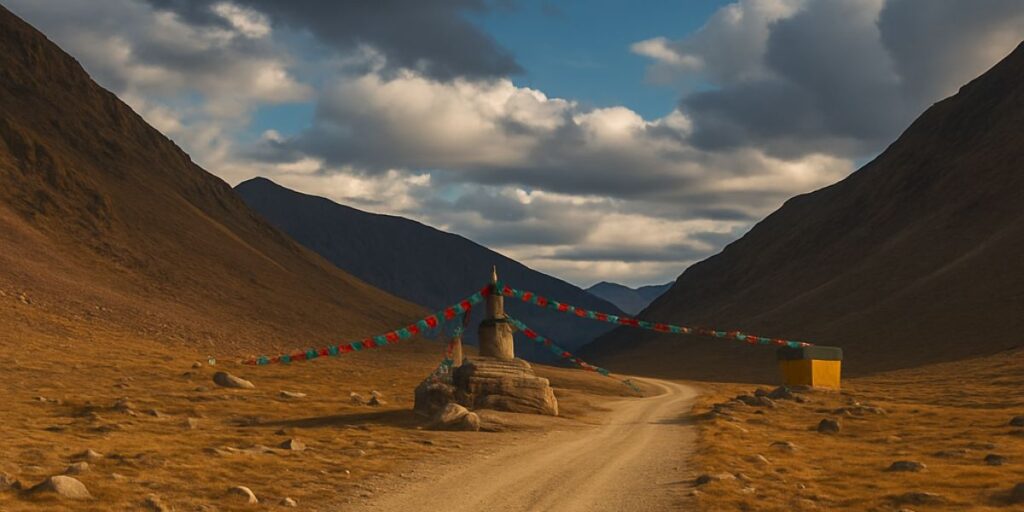
Himalayan Passes That Once Linked India to the World
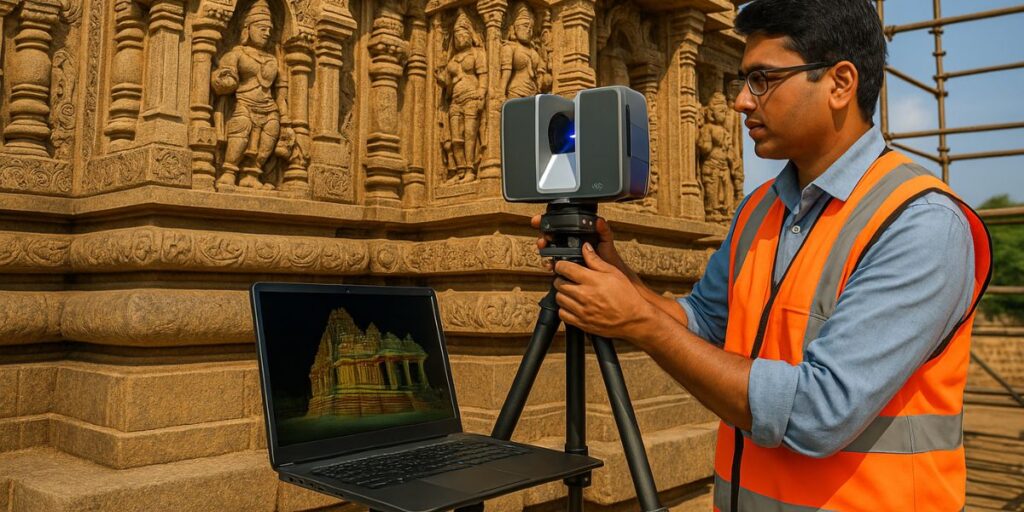
How India Is Restoring Ancient Temples Using Modern Technology
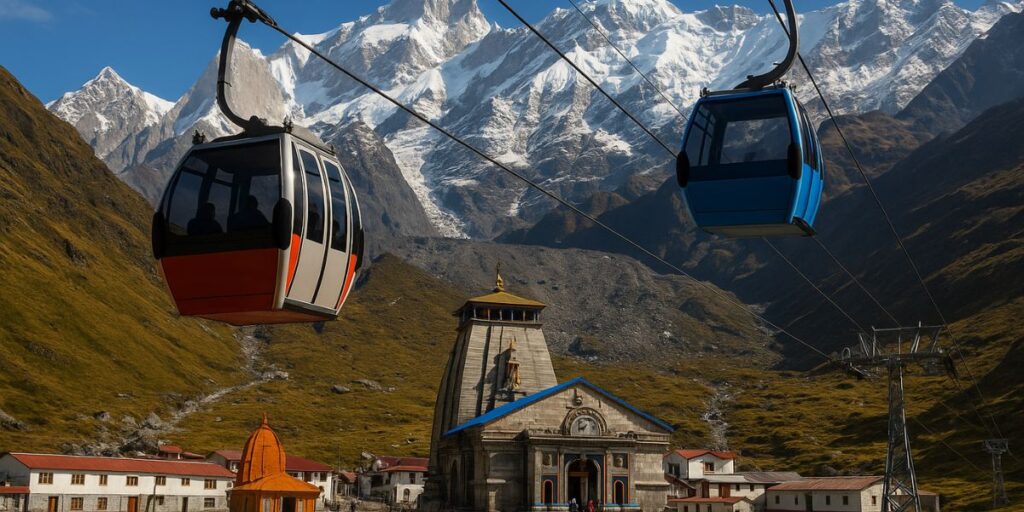
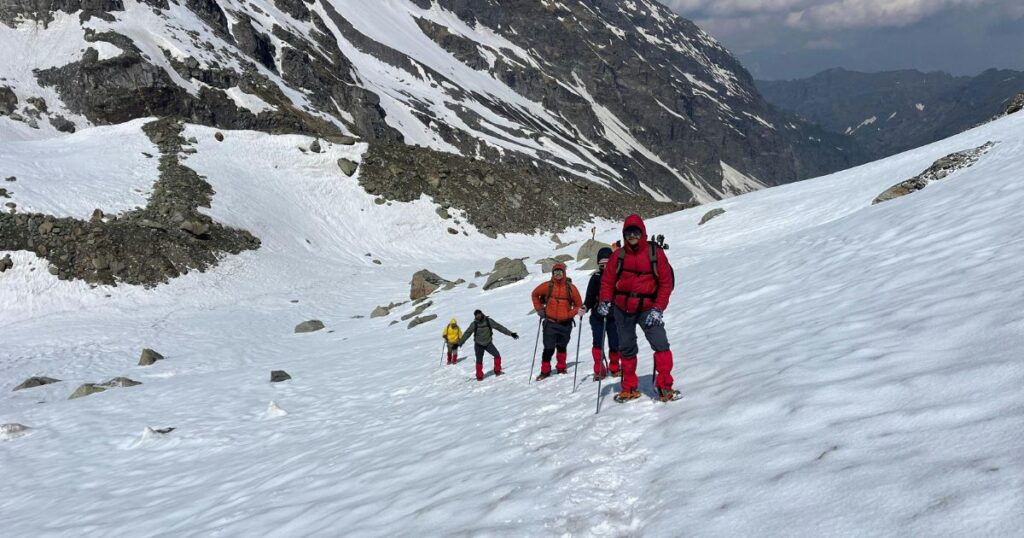
Pingback: Himalayan Passes That Once Linked India to the World - indiauncovered.in
Pingback: How India Is Restoring Ancient Temples Using Modern Technology - indiauncovered.in
Pingback: Delhi ka Mini-Tibet: Majnu Ka Tila - indiauncovered.in