
Engineering Without Machines? Yes, India Did It.
Long before cranes, lasers, and computer models existed, ancient Indian architects and engineers built mega-structures that still challenge modern understanding. These structures weren’t just artistic masterpieces – they were mathematically precise, geologically brilliant, and scientifically advanced. From monolithic temples carved out of mountains to stepwells built with perfect geometric alignment, India’s engineering legacy is far deeper and more awe-inspiring than most people realise. This article uncovers some of the greatest India’s Lost Engineering Wonders that continue to amaze, inspire, and even puzzle modern experts.
Also Read: India’s Bullet Train Project: Speeding Toward a New Era
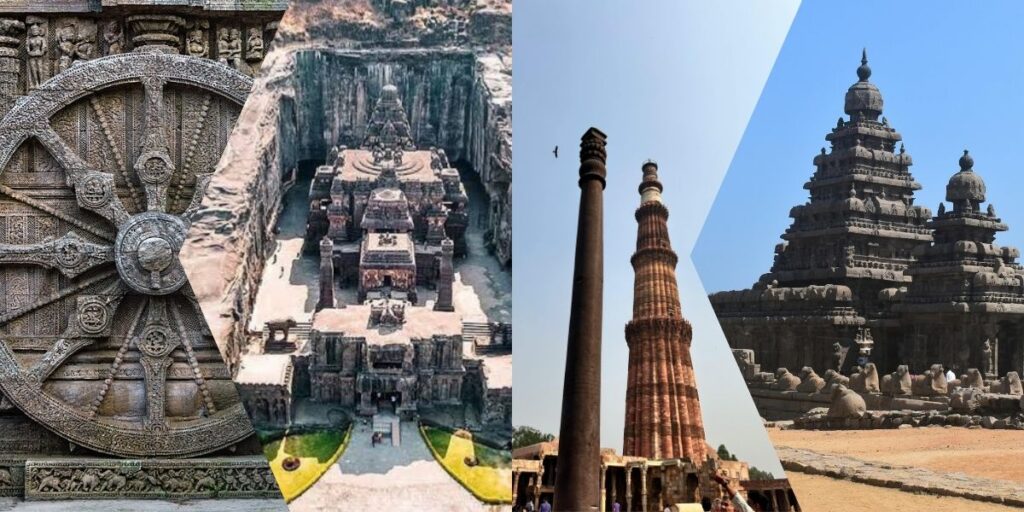
1. Kailasa Temple, Ellora — The World’s Largest Monolithic Structure

A Temple Carved Downward, Not Built Upward
The Kailasa Temple in Maharashtra is one of the world’s most astonishing architectural achievements. Instead of being built from the ground up, it was carved vertically downward from a single mountain.
Engineering Wonders:
- Excavated from one massive basalt rock
- Estimated 200,000 tonnes of stone removed
- No structural cracks despite extreme detailing
- Alignments show advanced geometric knowledge
Why It Still Amazes Scientists:
Modern engineers would require heavy machinery to replicate this. Yet the temple was carved with hand tools.
Archaeologists still debate:
How did they achieve symmetrical design without 3D models or machines?
2. Stepwells: India’s Underground Water Engineering Genius

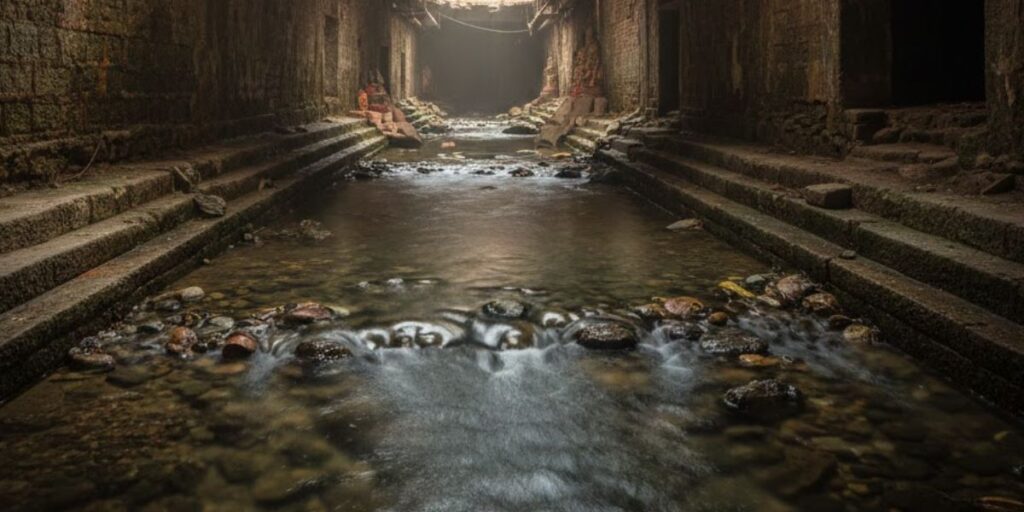
Stepwells, or baolis/vavs, are ancient water-harvesting structures built with scientific precision to survive droughts.
Engineering Features:
- Multi-level reservoirs
- Natural AC effect (up to 5–7°C cooler)
- Ventilation shafts for airflow
- Earthquake-resistant—many still stable after 1,000 years
- Perfect alignment to store maximum water during monsoons
Famous Examples:
- Rani ki Vav (Gujarat) – UNESCO World Heritage Site
- Adalaj Stepwell – Seven-storey precision
- Agrasen ki Baoli (Delhi) – Still functional in monsoon cycles
The geometry and cooling technique of stepwells are now referenced in modern sustainable architecture.
Also Read: Jewar Airport That Will Redefine Western Uttar Pradesh
3. Sun Temple, Konark — Magnetic Marvel of Eastern India

Built in the 13th century, the Konark Sun Temple was a massive engineering project shaped like a gigantic stone chariot.
The Engineering Mysteries:
- 12 wheels aligned as accurate sundials
- Stones fitted without mortar
- Iron beams used in the core structure
- Central dome once had a floating iron idol—supported magnetically, according to popular theories (now lost)
Scientific Significance:
Konark’s wheel designs are so precise that many visitors use them as natural clocks even today.
Whether or not the magnetic idol existed, the temple clearly showcases advanced metallurgical knowledge centuries ahead of its time.
4. The Ancient Indian Metallurgy That Created the Rust-Free Iron Pillar

The Iron Pillar of Delhi, built during the Gupta period (4th century CE), still remains almost rust-free—after 1,600 years of rain, heat, and pollution.
Engineering Secrets:
- High phosphorus levels
- Low sulphur content
- Layer of misawite (protective film)
- Advanced forging techniques
Modern metallurgists studied it extensively, confirming that the corrosion resistance was intentional—a result of deep scientific understanding.
5. Srirangam Temple’s Water Management & Urban Planning

The Ranganathaswamy Temple complex in Tamil Nadu is one of the world’s largest functioning temple towns.
Engineering Highlights:
- 7 concentric enclosures (prakaras)
- 21 carved gopurams
- Natural cooling and ventilation
- Underground channels for water distribution
- Flood-resistant layout
Its design mirrors modern urban planning principles, showing how ancient builders integrated spirituality, architecture, and engineering.
6. The Great Bath of the Indus Valley Civilization

Dating back to 2600 BCE, the Great Bath of Mohenjo-Daro is one of the earliest examples of complex waterproofing.
Engineering Features:
- Kiln-fired bricks
- Bitumen-based watertight layer
- Underground drainage system
- Inlet and outlet designed for controlled water flow
This is proof that India’s engineering legacy didn’t begin in the medieval era—it goes back 5,000 years.
Also Read: How Goa Evolved from Party Capital to India’s Digital Nomad Paradise
7. Shore Temple of Mahabalipuram – Precision Against the Sea

Built near the Bay of Bengal, the Shore Temple has survived:
- Cyclones
- Tsunamis
- 1,300+ years of salt corrosion
Engineering Marvels:
- Granite stones interlocked without cement
- Intelligent weight distribution
- Structures angled to break strong sea winds
- Drainage channels to prevent water logging
Its survival speaks volumes about the precision of ancient Indian coastal engineering.
India Uncovered’s View: India’s Forgotten Engineering Legacy Needs Rediscovery
From vertical excavation to earthquake-resistant architecture, ancient Indian engineers achieved feats that remain incomparable even today. These structures show a civilization with:
- Advanced mathematics
- Metallurgical knowledge
- Architectural precision
- Deep understanding of geology and water systems
India’s real engineering story isn’t just modern expressways, metros, or skyscrapers—
It started thousands of years ago, with builders whose mastery still inspires and astonishes the world.
More Updates You May Like

Delhi ka Mini-Tibet: Majnu Ka Tila

Why Presence Matters More Than Statements in Global Politics
Why Ancient Indian Temples Were Built at These Locations

Himalayan Passes That Once Linked India to the World
How India Is Restoring Ancient Temples Using Modern Technology

Pingback: India’s Lost Rivers: The Hidden Channels Flowing Under Our Cities - indiauncovered.in
Pingback: Valley of Flowers Is Not Just a Trek – It’s India’s Hidden Valley of Gods - indiauncovered.in