
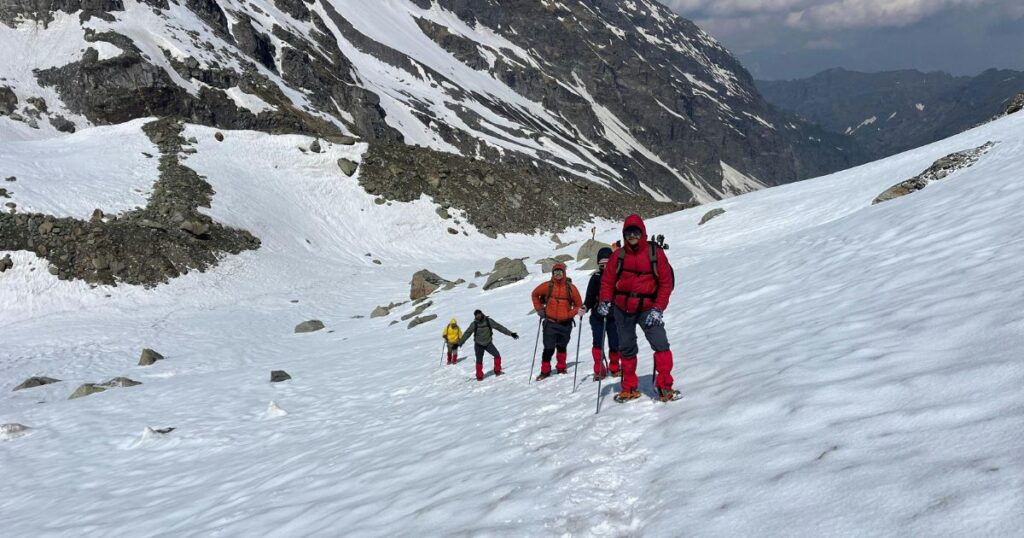
India’s Forgotten Mountain Passes: The Incredible Routes You’ve Never Heard Of
India’s Himalayan belt is full of stories of traders, pilgrims, armies, shepherds, and explorers who crossed impossible terrain long before modern roads existed. While destinations like Rohtang Pass and Nathu La are well-known, dozens of ancient passes remain forgotten (Forgotten Mountain Passes), closed to the world, or barely documented.
These passes once connected kingdoms, enabled trade with Tibet, linked communities, and shaped the cultural map of the subcontinent. Today, many of them are restricted, remote, or simply overshadowed by modern transport routes.
In this exploration, we uncover some of India’s most remarkable yet little-known mountain passes—the kind that reveal a raw, untouched, and almost mythical India.
Also Read: Night Tourism in India: How Cities Are Opening Up After Dark in 2025
1. Shipki La (Himachal Pradesh) – The Lost Gateway to Tibet

Altitude: ~16,000 ft
Region: Kinnaur, Himachal Pradesh
Shipki La is one of India’s oldest Indo-Tibet trade routes. Long before the Nathu La trade route reopened, merchants from Kinnaur carried wool, salt, and dry fruits across this high-altitude corridor.
Why It’s Forgotten
- Restricted zone due to India–China border proximity
- Harsh terrain and low oxygen levels
- Closed to civilians without special permits
Why It’s Incredible
- Offers rare views of the Sutlej River entering India
- Home to unique Kinnauri culture and ancient village routes
- Historically one of the most strategic Himalayan gateways
Even today, locals call it the “silent corridor” of the Himalayas.
Also Read: Kangra – Himachal’s Hidden Land of Temples, Faith, and Stories
2. Niti Pass (Uttarakhand) – India’s Northernmost Village Route

Altitude: ~17,200 ft
Region: Joshimath → Niti Valley
Niti Pass once connected Uttarakhand to Tibet through Niti village—reported as one of India’s last inhabited border villages before winter sets in.
What Makes Niti Pass Special
- Ancient Indo-Tibetan salt and wool trade route
- Surrounded by iconic peaks like Nanda Devi and Dronagiri
- Rare wildlife including blue sheep, snow leopards, and Himalayan ibex
Why It’s Still Hidden
- Border restrictions
- Extreme winters that cut off villages for months
- Lack of mainstream tourism due to remoteness
A few trekking groups now attempt the approach to the region (not the pass itself).
Also Read: Why Daulat Ki Chaat Exists Only in Delhi’s Winters
3. Bum La Pass (Arunachal Pradesh) – The Pass of Friendship

Altitude: ~15,200 ft
Region: Tawang, Arunachal Pradesh
Bum La Pass is known for its political significance—it’s where the Dalai Lama first entered India in 1959 after escaping Tibet.
What Makes It Incredible
- Stunning snow-covered terrain
- Rare Indo-China “Border Personnel Meeting Point”
- High-altitude lakes and untouched landscapes
Why Few People Know About It
- Requires clearance from the Indian Army
- Limited accessibility due to weather
- Not commercialised like other mountain routes
Even today, Bum La feels like a frontier outpost on the edge of the world.
4. Lipulekh Pass (Uttarakhand) – The Kailash Gateway
Altitude: ~17,000 ft
Region: Dharchula, Pithoragarh
Lipulekh is one of India’s most sacred yet lesser-known border passes because it serves as the route for the Kailash–Mansarovar Yatra.
Why It’s Historically Important
- Ancient trade corridor linking India, Nepal & Tibet
- Mentioned in several old Hindu texts
- Once a bustling market route for herbs, sheep wool, and salt
Why It’s “Forgotten”
- Only pilgrims and researchers access the region
- Special permissions required
- Harsh high-altitude conditions
Lipulekh stands at the intersection of history, religion, and geopolitics.
5. Aghil Pass (Ladakh) – India’s Most Mysterious High-Altitude Route
Altitude: ~15,900 ft
Region: Karakoram
Aghil Pass is among the rarest and most undocumented passes connected to the old Silk Route system.
What Makes It Unique
- Used by caravans moving between Ladakh and Central Asia
- One of the coldest wind corridors in the Karakoram
- Very little written record exists—much of it comes from explorers
Why It’s Barely Known
- Completely within restricted territory
- Extreme remoteness
- No civilian trekking allowed
Aghil Pass still holds secrets buried under ice and time.
6. Sasser Pass (Ladakh) – The Glacial Crossing of the Old Silk Route
Altitude: ~17,753 ft
Region: East Karakoram
Sasser Pass once connected Nubra Valley to the historic Karakoram Pass. It was part of the early Silk Route caravans.
Incredible Facts
- Known for its treacherous glaciers
- Once a key trade route for pashmina wool
- Surrounded by legendary peaks like Saser Kangri
Why It’s Lost to History
- Modern roads bypass it
- Dangerous ice crossings make it inaccessible
- Harsh weather and shifting glaciers
Sasser remains a frozen monument of India’s Silk Route heritage.
Why These Passes Matter Today
Even though many are inaccessible, forgotten mountain passes hold huge cultural, historical, and environmental significance.
Their Value
- These passes preserve India’s ancient Himalayan trade networks
- They show migration patterns, local cultures, and lost traditions
- Mountain Passes also offers stunning landscapes untouched by modern tourism
- They remind us of India’s strategic mountain geography
Understanding these forgotten passes helps India reconnect with its past while exploring new tourism opportunities responsibly.
India Uncovered’s View
India’s forgotten mountain passes are not just geographical features—they are stories written in stone, ice, and silence. From ancient trade routes to cultural corridors and strategic frontiers, these passes reveal a side of India rarely seen in mainstream travel.
They stand as quiet witnesses to centuries of movement, culture, struggle, and resilience.
In an age of highways and drones, these lost Himalayan pathways remind us that some of India’s most breathtaking stories still lie off the map.
More Updates You May Like

Delhi ka Mini-Tibet: Majnu Ka Tila
Why Presence Matters More Than Statements in Global Politics
Why Ancient Indian Temples Were Built at These Locations
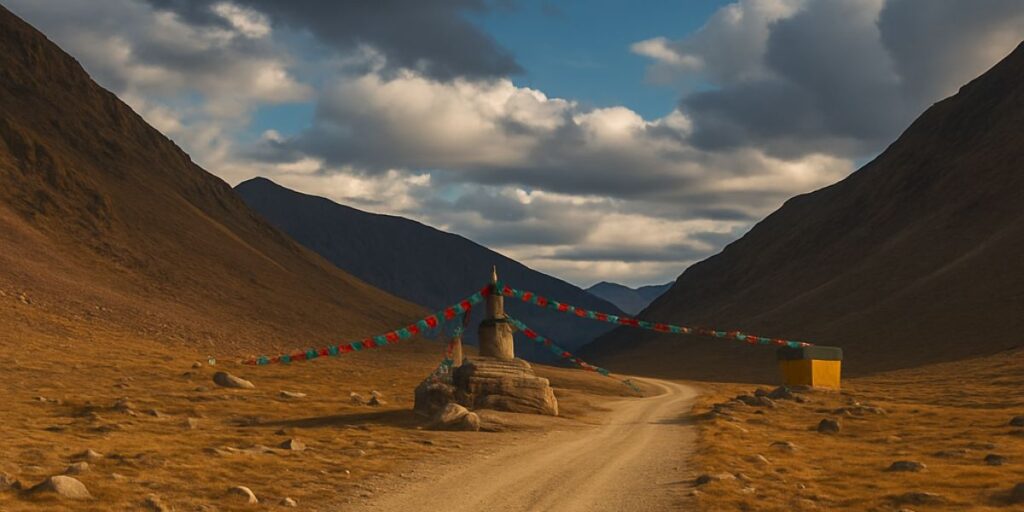
Himalayan Passes That Once Linked India to the World
How India Is Restoring Ancient Temples Using Modern Technology
Pingback: Why Panch Kedar Is Emerging as India’s Next Spiritual Tourism Goldmine - indiauncovered.in
Pingback: Himalayan Passes That Once Linked India to the World - indiauncovered.in