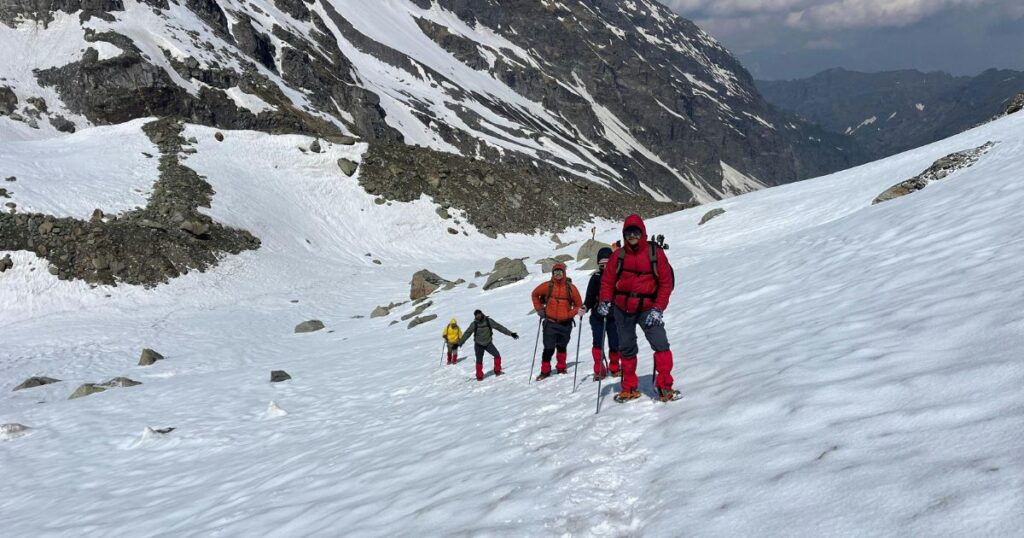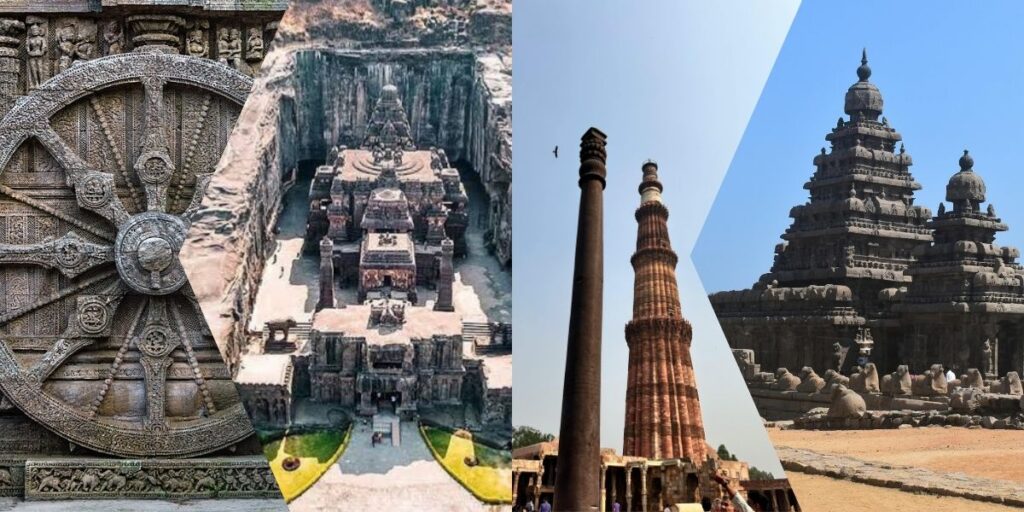
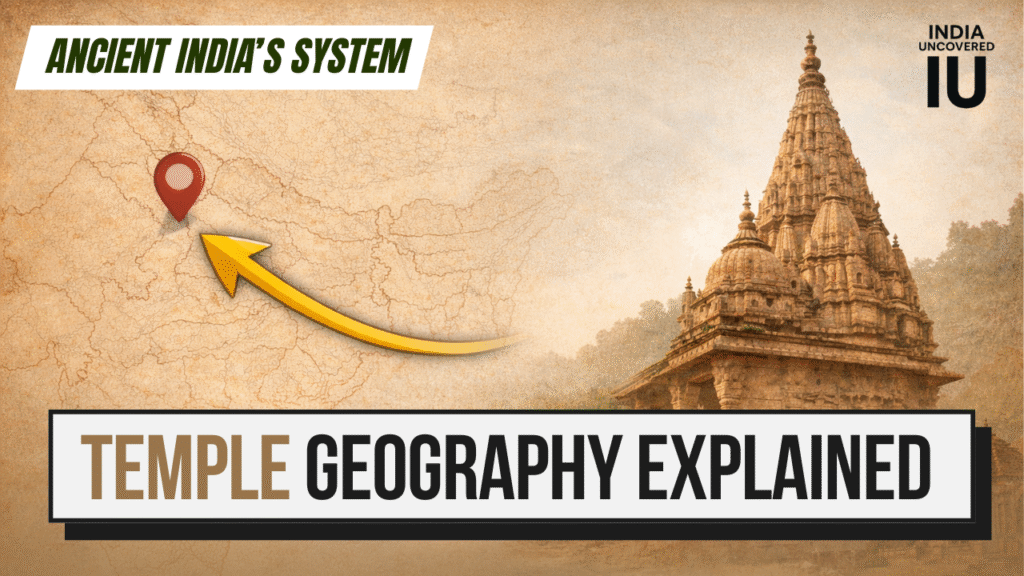
Ancient Indian temples were not built randomly.
Their locations were carefully chosen based on geography, accessibility, settlement patterns, and long-term planning.
In this video, we explain how temples like Kashi Vishwanath, Kedarnath, Tirupati Balaji, Konark Sun Temple, and Jagannath Puri were positioned using practical reasoning connected to rivers, mountains, coastlines, and human behaviour.
This is not mythology or symbolism — this is an explanation of how geography and planning shaped India’s temple locations. India Uncovered brings you fact-based stories that explain India beyond headlines.
FAQ SECTION (SEO + RETENTION)
❓ Why were forests considered sacred in ancient India?
Because forests were essential for water, climate, food, and survival. Making them sacred ensured long-term protection through belief.
❓ Was forest worship scientific or religious?
It was a survival-based system using belief as a tool. Modern science now validates its ecological effectiveness.
❓ What is Van Devta?
Van Devta represents the forest as a guardian system — symbolising protection, balance, and restraint.
❓ Can ancient systems help modern conservation?
Yes. Combining modern laws with cultural connection can create sustainable, long-term protection.
❓ How is this relevant to Aravalli today?
Aravalli’s degradation shows that legal protection alone fails without social ownership and respect.