
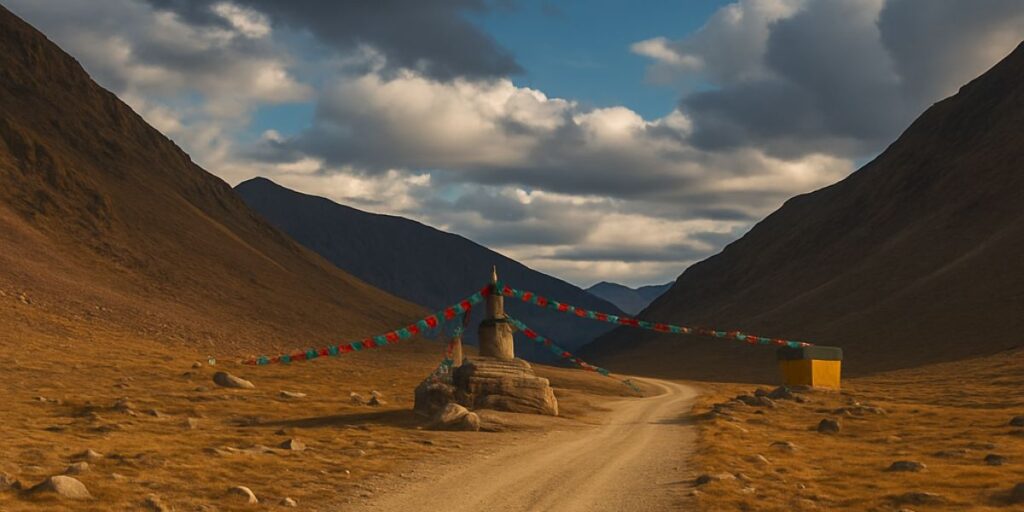
India’s Himalayan Passes: The Ancient ‘La’ and Passes That Once Connected Civilizations
India’s Himalayas are not just mountains — they are corridors. For thousands of years, India was connected to Tibet, Nepal, Bhutan, Central Asia and even Mongolia through a network of ancient pathways known as ‘La’ or mountain passes.
Also Read: Valley of Flowers Is Not Just a Trek – It’s India’s Hidden Valley of Gods
These were not simple trekking trails. They were:
- highways of cultural exchange
- trade routes of the Silk Road
- pilgrimage paths to sacred lakes and monasteries
- diplomatic and military corridors
- knowledge routes that carried Buddhism from India to Asia
But over time, political boundaries, modern roads and conflicts buried these ancient routes in forgotten maps and lost memories.
Today, India Uncovered brings you the true meaning of ‘La’ and the legendary passes that shaped Indian civilization for centuries.
What does ‘La’ or ‘Himalayan Pass’ really mean?
1. ‘La’ — A Tibetan Word with Deep Meaning
In Tibetan language: “La (ལ་)” means mountain pass —
a natural opening between two towering ranges.
These passes were critical because they:
- allowed caravans to cross the Himalayas
- connected valleys separated by massive peaks
- served as lifelines for monks, traders, and pilgrims
The word La is used across Ladakh, Sikkim, Arunachal Pradesh and Tibet.
Examples: Nathu La, Jelep La, Khardung La, Chang La, Mana La, Lipulekh La
2. What is a ‘Himalayan Passes’?
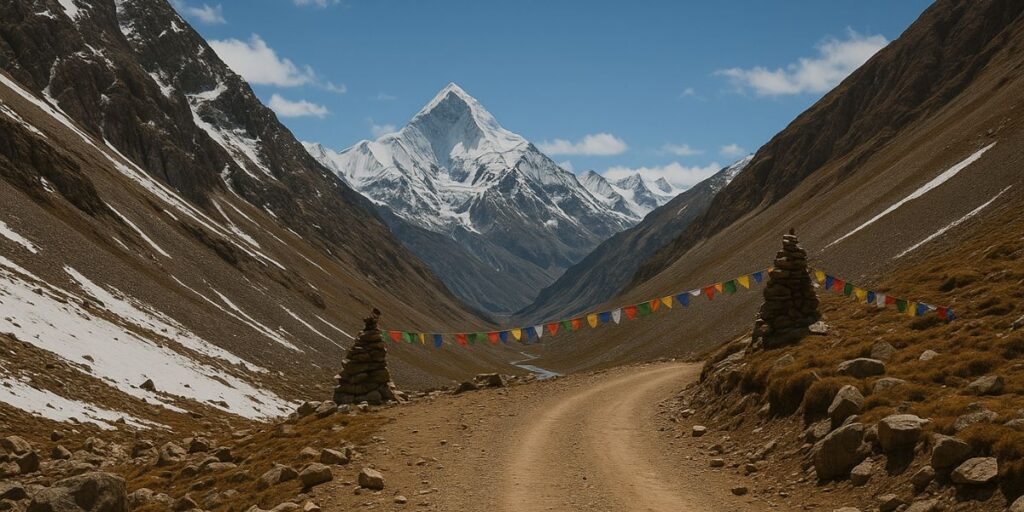
A pass is the English term for this same concept: A navigable route through mountains created by nature.
In Hindi, इसे दर्रा कहा जाता है।
Passes allowed:
- military movement
- exchange of goods
- cultural interactions
- spread of ideas and religions
Without these passes, ancient India would have been isolated from Asia.
Also Read: India’s Forgotten Mountain Passes: Stunning Routes Hidden from the World
India’s Most Important Ancient ‘La’ Routes
Below are the legendary Himalayan passes that shaped India’s trade, culture and geopolitics.
1. Nathu La – India’s Gateway to Tibet (Sikkim)
- Part of the ancient Silk Route
- Linked India to Chumbi Valley → Lhasa
- Traders carried gold, silk, tea, wool
- 1962 conflict closed the route
- Reopened in 2006 for limited border trade
- Today: a major military and cultural corridor
2. Jelep La – The Fastest Route to Lhasa
- Once the main British-era road from India to Tibet
- Calcutta → Kalimpong → Jelep La → Lhasa
- Essential for diplomatic missions and caravans
- Now closed due to geopolitical boundaries
- Known for its strategic and trading importance in the 19th century
3. Khardung La – Gateway to the Silk Route (Ladakh)
- Used by caravans moving to Central Asia (Kashgar, Yarkand)
- Historically connected India to the Karakoram trade circuit
- Horses, pashmina wool, spices, and silk passed through
- Today: a vital access point for India’s northern borders
4. Mana Pass – One of India’s Oldest Documented Routes
- Linked Uttarakhand → Tibet
- Mentioned in ancient local oral histories
- Pilgrimage route for sages traveling towards Adi Kailash
- Once carried salt, borax, wool and herbs
- Today: India’s highest motorable pass (with special permits)
5. Lipulekh Pass – Highway to Kailash–Mansarovar
- Sacred route for pilgrims visiting Mount Kailash
- One of the oldest Indo-Tibetan trade routes
- Carried wool, rock salt and medicinal plants
- Still used for border trade and pilgrimage treks
6. Shipki La – Himachal’s Forgotten Indo-Tibetan Bridge
- Located in Kinnaur, along the Sutlej River
- Connected Indian traders with Tibetan wool and salt markets
- Today: one of India’s official border trading points
7. Zoji La – Kashmir’s Bridge to Central Asia
- Linked Kashmir → Ladakh → Yarkand
- Part of the ancient trans-Himalayan trade
- Spices, carpets and horses moved across this pass
- Today: a strategic lifeline for Ladakh
8. Se La & Bomdila – The Monk Routes of Arunachal
- Connected Tawang monastery to Tibet
- Carried Buddhist scriptures, monks and art
- These passes shaped the spiritual landscape of Northeast India
Why These Passes Mattered to India
These ancient Himalayan passes were:
1. Trade Arteries
- Wool, silk, spices, tea, horses, gold
- India’s access to Tibet and Central Asia
- Lhasa–India trade route networks
2. Cultural Highways
- Buddhism spread from India to Tibet through these passes
- Art, philosophy, medicine exchanged between civilizations
3. Pilgrimage Corridors
- Routes to Kailash–Mansarovar
- Routes that connected Indian sages to Himalayan cultural centers
4. Geopolitical Lifelines
- Control of passes = control of region
- Even today, they define India’s national security zones
FAQs (SEO-Optimised)
1. What does ‘La’ mean in the Himalayan region?
‘La’ is a Tibetan word meaning mountain pass, a natural route between high ranges.
2. Why were Himalayan passes important for ancient India?
They enabled trade, cultural exchange, pilgrimages, and diplomatic missions between India, Tibet, and Central Asia.
3. Which is India’s most famous ancient pass?
Nathu La and Khardung La were major Silk Route corridors linking India to Tibet and Central Asia.
4. Are these ancient passes still used today?
Some like Lipulekh, Nathu La, Shipki La are active for trade/pilgrimage. Others remain strategic military routes.
Pingback: Why Presence Matters More Than Statements in Global Politics - indiauncovered.in